


Introduction
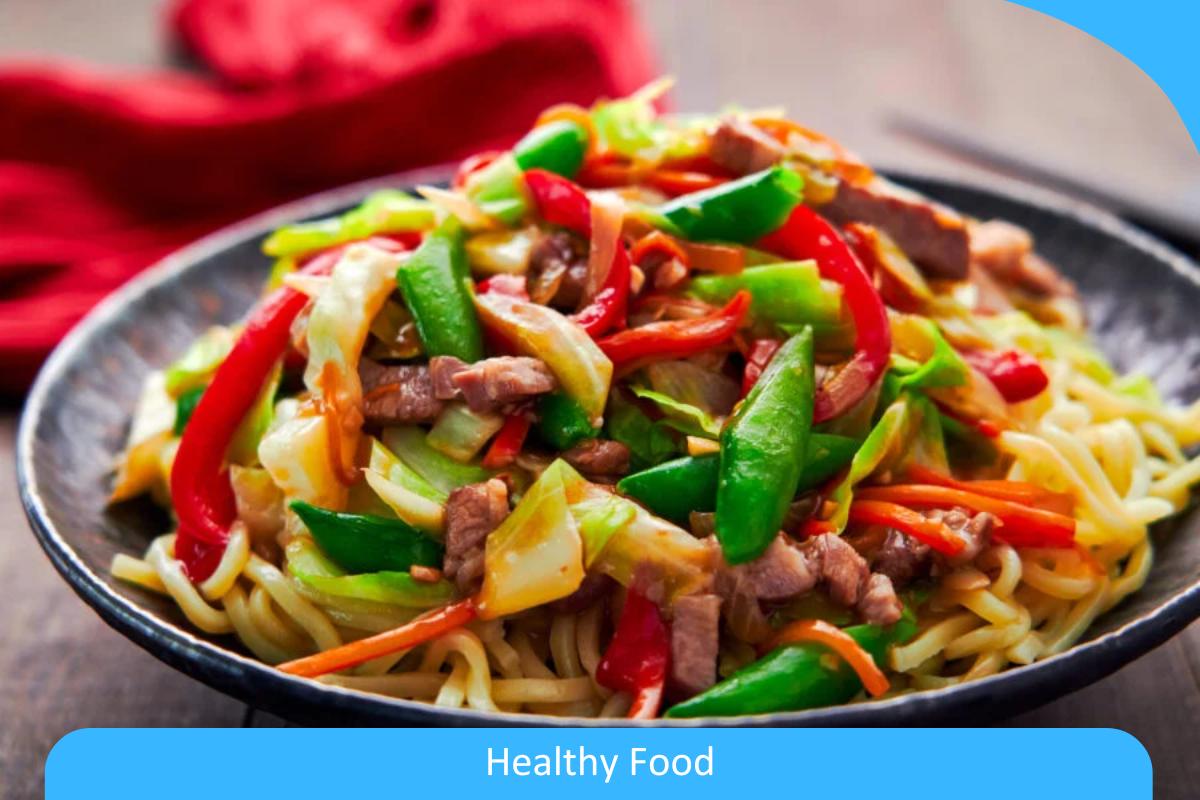
Ever feel like your stir, fry game could use a serious upgrade? Chop suey, an iconic dish from the world of Chinese, American cuisine, might just be your next culinary canvas. While its roots go back to 19th, century immigrant communities improvising with available ingredients, today it’s experiencing a vibrant revival in California kitchens.
With farm, to, table culture booming and health, conscious eating taking center stage, homemade chop suey is getting a bold, colorful twist.
California, home to some of the richest agricultural land in the world, is the perfect stage for this transformation. Here, the freshest veggies are just a farmer’s market away. So if you’ve been wondering what vegetables go in chop suey stir fry, or craving an easy veggie stir fry with chop suey sauce, let’s unpack the five veggies that are taking this dish from takeout tired to next, level fresh.
The California Twist on Classic Chop Suey
California isn’t just a state, it’s a lifestyle. Health, forward. Eco, friendly. Flavor, focused. And nowhere is that more obvious than in the kitchens of home cooks reimagining classic dishes. Traditional chop suey, known for its flexible nature, becomes a whole new dish when influenced by the Golden State’s bountiful produce and wellness trends.
Organic rainbow carrots? Heirloom napa cabbage? Locally grown shiitake mushrooms from NorCal farms? Yes, yes, and yes. These aren’t just vegetables, they’re flavor bombs with serious nutrition cred.
The state’s mild climate allows for year, round growing, which means what lands on your plate is often harvested within a few days, not weeks. That freshness is exactly why California vegetable dishes stand out, and why chop suey with local ingredients tastes noticeably better.
Why Vegetables Matter in Stir, Fry
Let’s talk texture. Good stir, fry is about contrast, crunchy meets tender, juicy meets savory. That contrast comes from the veggies. But they’re not just there for bite, they carry the flavor, the nutrition, and the soul of the dish.
Carrots add sweetness, bell peppers bring color and antioxidants, mushrooms offer that elusive umami depth. Together, they balance the salty, savory punch of soy sauce and the richness of sesame oil. Plus, if you’re on the hunt for vegan or gluten, free meals, vegetable, forward chop suey checks every box.
And there’s more. Stir, fried vegetables, when cooked properly, retain more nutrients than boiled or steamed ones. That means more fiber, more antioxidants, and more bang for your bite.
So whether you’re chasing clean eating goals or just want a meal that doesn’t taste like cardboard, dialing up the veggie count in your homemade chop suey is a move worth making.
These 5 Game, Changing Veggies
Napa Cabbage
Forget the thick, rubbery chunks of green cabbage you’ve seen in greasy takeout containers. Napa cabbage is the elegant cousin, light, silky, and slightly sweet when stir, fried. It softens beautifully while holding its shape, giving chop suey that delicate, layered texture that feels elevated but still approachable.
Found at nearly every California Asian market or CSA box, napa cabbage is a no, brainer for any veggie stir fry.
Bean Sprouts
You can’t talk about Chinese, American cuisine without giving a nod to the humble bean sprout. Crisp, clean, and lightning, fast to cook, they add essential snap and volume without overpowering other flavors.
Pro tip: Toss them in at the last minute so they stay fresh and crunchy. Bonus, they’re insanely low, cal and high in vitamin C, which makes them a dream for health, conscious eaters.
Bell Peppers (Red/Yellow)
Want visual appeal and vibrant flavor? Bell peppers do both. Red and yellow peppers in particular bring natural sweetness and a boatload of antioxidants like vitamin A and beta, carotene.
They also scream California with their bold color and local availability. Farmers’ markets across the state are bursting with these during summer and early fall.
Shiitake or Oyster Mushrooms
These aren’t just mushrooms, they’re flavor powerhouses. Rich in umami, shiitake and oyster varieties bring earthy depth that makes your chop suey feel gourmet. And if you’re skipping meat? These fungi make an ideal substitute with their meaty bite.
The best part? You can source California, grown versions that are pesticide, free and harvested sustainably.
Julienned Carrots
Simple? Yes. Boring? Absolutely not. Julienned carrots add a welcome crunch and vibrant color. Their subtle sweetness pairs well with soy, based sauces and offers that satisfying chew you want in every bite.
They’re also versatile and kid, approved, making your dish a win across all ages, perfect
for the family dinner table.
Pro Tips for Perfect California Chop Suey
Now that you’ve got your superstar vegetables lined up, let’s level up your technique.
- Use sesame oil strategically. Add it toward the end to preserve its toasty aroma.
- Don’t overcrowd your wok. It drops the heat and makes your veggies soggy. Cook in batches if needed.
- Choose your protein wisely. For a full meal, add tofu, tempeh, or lean cuts of chicken or shrimp. Keep it local and organic when you can.
- Prep everything first. Stir, frying moves fast, have your sauce, veggies, and protein ready before the wok heats up.
These small moves add up to big flavor and consistency. And once you master them,
you’ll never look at takeout the same way again.
Easy Homemade Sauce Recipe (Soy, Sesame Base)
Chop suey’s magic isn’t just in the mix of ingredients, it’s in the sauce. Here’s a reliable,
no, fail combo:
- 2 tablespoons soy sauce (low sodium if you’re watching salt)
- 1 teaspoon toasted sesame oil
- 1 teaspoon cornstarch mixed with 2 tablespoons cold water
- Optional: splash of rice vinegar or hoisin for extra depth
Whisk it together and add during the final minute of cooking. The cornstarch thickens it to a glossy, clingy coating that hugs every vegetable just right.
Serving Suggestions
Now that your chop suey’s sizzling, what should you serve it with?
- Jasmine rice or brown rice for the purists
- Rice noodles or quinoa if you want something lighter
- Cucumber salad or miso soup for a refreshing side
Pro tip: Make a double batch and divide it into containers for meal prep. It reheats like adream and makes a satisfying lunch you’ll actually look forward to.
Ready to Remix Your Weeknight Dinner?
There’s nothing ordinary about homemade chop suey when it’s packed with farm, fresh, California, grown vegetables. Whether you’re cooking for your family, your roommates, or just treating yourself, this veggie, powered stir fry delivers flavor, color, and crunch in every bite.
Forget the bland takeout versions of yesterday, this is stir, fry with soul. Bright, balanced, and loaded with ingredients you can feel good about eating. Try out these five superstar veggies and turn your kitchen into a destination for bold, healthy California cuisine.
Not sure where to start? Grab whatever’s in season, fire up the wok, and follow your instincts. That’s the spirit of chop suey, and the spirit of California cooking.
SEO, Optimized FAQs
-
What are the best vegetables for homemade chop suey?
The top veggies for chop suey include napa cabbage, bean sprouts, bell peppers, shiitake or oyster mushrooms, and julienned carrots for the best balance of flavor and texture.
-
Can I make chop suey with only California vegetables?
Absolutely. California offers a wealth of fresh, seasonal produce that fits perfectly into chop suey recipes, from mushrooms to peppers to organic cabbage.
-
Is vegetable chop suey healthy?
Yes. It’s low in saturated fat, packed with fiber and essential nutrients, and completely
customizable to suit vegan, gluten, free, or high, protein diets.
-
What’s the difference between chop suey and stir fry?
Stir fry is a cooking technique, while chop suey is a specific Chinese, American dish typically featuring a saucy mix of vegetables and protein.
-
How do I make my chop suey sauce thicker?
Use a cornstarch slurry, 1 teaspoon cornstarch mixed with cold water. Add it toward the end of cooking to thicken your sauce without clumping.
Trusted Sources You Can Explore Further
- NRDC California Produce Guide: https://www.nrdc.org/stories/california, produce, guide
- Self Nutrition Data (Cabbage C Sprouts): https://nutritiondata.self.com/facts/vegetables, and, vegetable, products/2379/2
- WebMD on Bean Sprouts: https://www.webmd.com/diet/health, benefits, bean, sprouts
